
(Note: This is Part 2 in what seems to be becoming a series. Part 1 can be found here.)
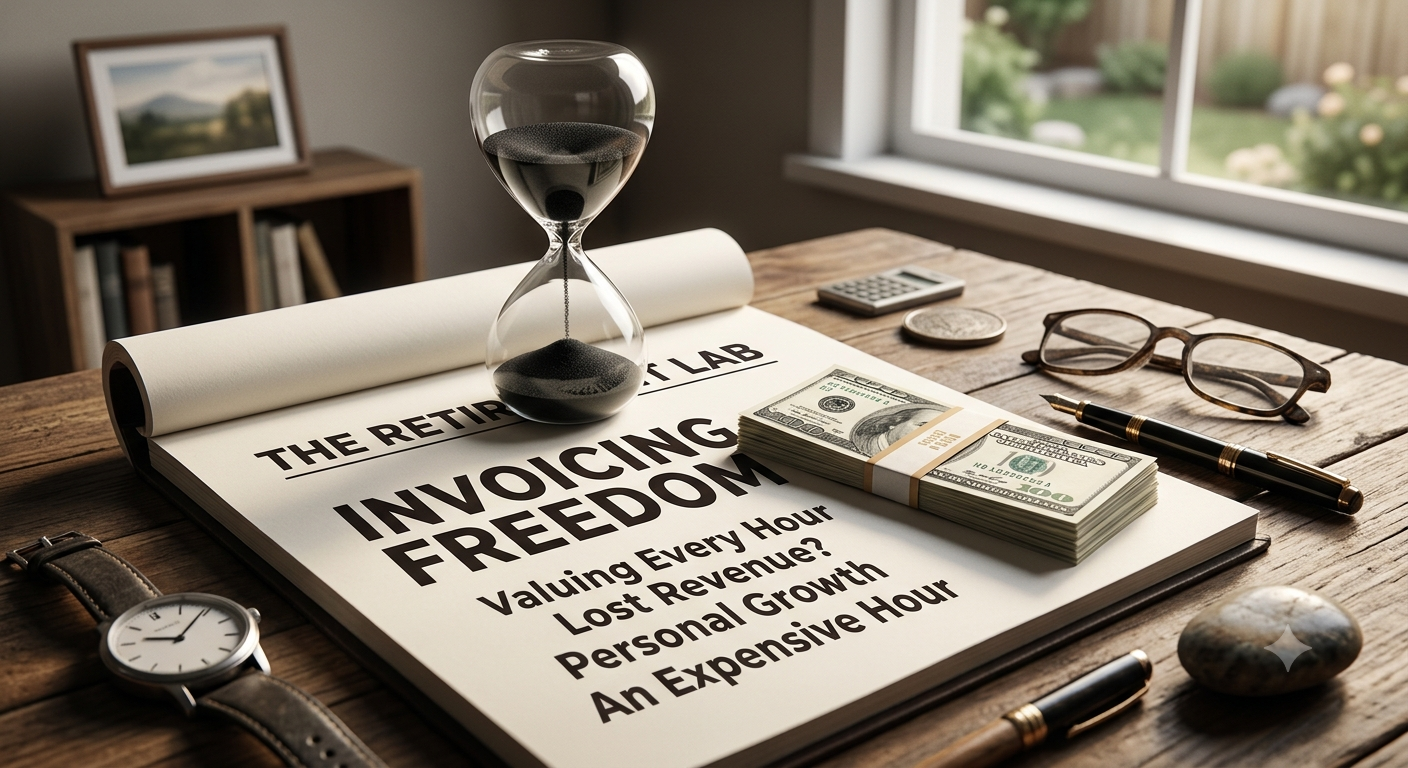
Transitioning into a part-time role and adjusting to a part-time rhythm during this chapter of life has been and continues to be a fascinating experiment. One of the first steps in this transition was shedding the salary model and establishing an hourly rate for my services. Not since I was a teenager had an employer put an explicit dollar amount on my time. The dollar amount we agreed on is not noteworthy; however, the mental shift that accompanied the realization that every hour on the clock carried a specific price tag most certainly is.
Just seeing that number on paper changed how I looked at my calendar. I found myself continually assessing opportunity costs and lost revenue. For the first time in a long time, I found myself weighing the literal value of an afternoon. How much income did I give up while on that walk with my wife? Reading that book that had been collecting dust? Learning some new technical skills? Taking that trip to the ice cream parlor with my mom? Watching that World Cup game with friends? Taking that impromptu afternoon nap? Getting that bonus workout in?
When every sixty-minute block is assigned a physical invoice, you start looking at your life through a spreadsheet. Healthy at times, and unhealthy at others, this calculation was ever-present. As the experiment matured, I became especially deliberate in recognizing that I was trading a specific dollar amount each hour for my freedom. Thankfully, awareness caught up with the math before the spreadsheet could steal the joy of the present moment.
There was undoubtedly a time in my life when the invoice equation was different. I have long been a super saver, a retirement-oriented investor, and a believer in deferred gratification. For those reasons, I prioritized the opportunity to make/save money today so that I could enjoy it tomorrow. At times, I devalued my time outside of work to achieve professional and monetary goals.
But a funny thing happens as the pages of the calendar turn. The older we get, the more expensive our time actually becomes. Not necessarily to the market, but to us. The currency of hours becomes far too precious to spend carelessly. The runway gets shorter, making the present moment significantly more valuable. Eventually, if we are lucky, we reach the realization that no amount of money can accurately compensate us for our free time.
Throughout this transition, I’ve constantly asked myself a simple question: Does the joy I’m experiencing, the room I’m creating for personal growth, and the intentionality I’m bringing to my days warrant the lost revenue?
Every single time, the answer is a resounding yes. In fact, the yes is so resounding that I am asking myself the logical next question: why not work even less? Why not leave the W-2 completely behind?
When we decouple our identity from a full-time occupation, we are reminded that the most valuable thing we can buy back is our own presence with loved ones. Choosing less revenue in exchange for more life isn’t a loss; it’s a high-return investment in who we are becoming, the memories we are creating, and the relationships we are strengthening.
- What is the true value of an empty hour on your calendar right now?
- If you put a price tag on your peace of mind, would your current schedule be affordable?
- Where in your life are you chasing revenue at the expense of your own joy?