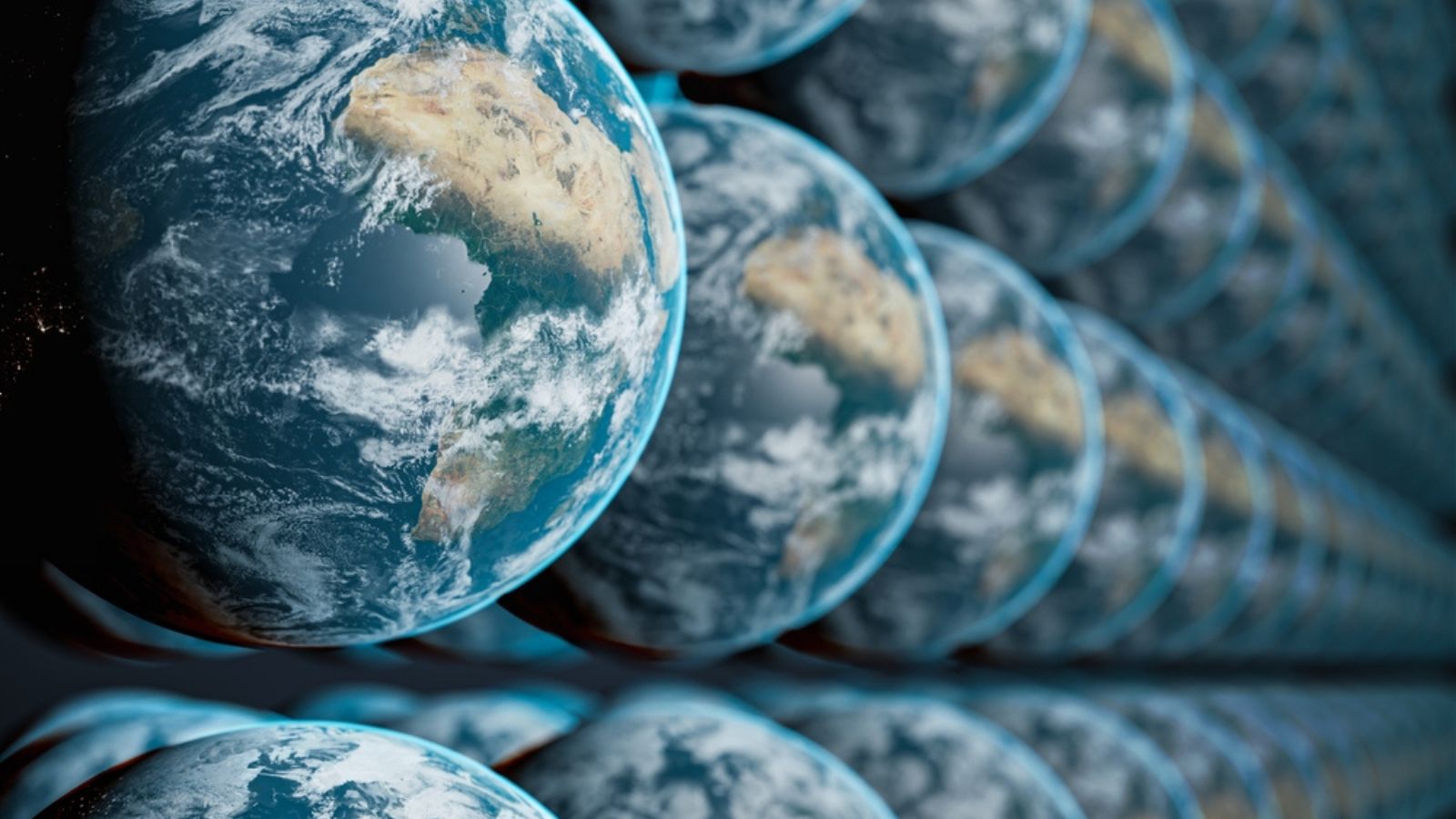
I’ve long been fascinated by the concept of parallel universes. The idea that for every choice we make, another timeline instantly sprouts where we chose differently: a vast, intricate web of “what ifs.”
Recently, I delved into Blake Crouch’s Dark Matter and Matt Haig’s The Midnight Library. Both explore this concept profoundly, though through slightly different lenses. In one, a man is kidnapped into a world where he pursued career ambition over true love, forced to glimpse a life that could have been his if he’d prioritized differently. In the other, a woman explores a magical library where each book represents a different version of her life, filled with the regrets and realizations of paths not taken.
Reading them sparked a deeper reflection, a sort of mental exercise I’ve started calling “picturing loss.”
We often think about how to gain perspective: to see things differently, to appreciate what we have. But the inverse is equally powerful: what would life look like if we lost something we currently take for granted?
- What if, tomorrow, I woke up and the warmth of my family was gone, replaced by a different reality?
- What if my physical health, which I work so hard to maintain, was suddenly stripped away?
- What if I were forced to walk a timeline where a single, seemingly harmless decision from decades ago had spun me out of this present life?
Though far from innocuous, I often go back to what if I had chosen a different college? A different spouse? A different career? And according to those books I so enjoyed, all of those things did happen – to a different me in a different universe.
It’s a sobering thought exercise, and admittedly, not always a comfortable one. But I think it’s necessary. In our default state, we possess an uncanny ability to become desensitized to our own blessings. We normalize the presence of the people we love, the stability of our health, and the small comforts that define our days. They become the furniture of our lives: always there. But what if they suddenly weren’t?
“Picturing loss” doesn’t mean dwelling in fear or anxiety. It means using the imagination to shift from expectation to gratitude. It’s about acknowledging the immense fragility of the things we hold dear. It forces us to confront the reality that this version of our life, the one we are living right now, is not guaranteed, and in a way, it’s miraculous. Unfortunately, and not unique to me, I have experienced significant loss without having to use my imagination. And it hurts.
If we can truly grasp how much we have to lose, perhaps we can get better at cherishing what we have to keep. This isn’t a lesson only for major life events, but also for the micro-moments. A warm cup of coffee in the morning, a shared laugh with a colleague, a quiet walk in the evening. Each is a potential scene from a timeline we are grateful not to have missed.
- In what areas of our lives has expectation begun to replace appreciation?
- If we could glimpse a different timeline where we made a major life choice differently, what would we miss most about our current reality?
- How can we deliberately build moments of reflection, our own version of “picturing loss”, into our day to deepen our daily dose of gratitude?
And if you have any recommendations on books on this topic, please do share.